

independent support.
bridging the gap between your needs and your contractor's interests
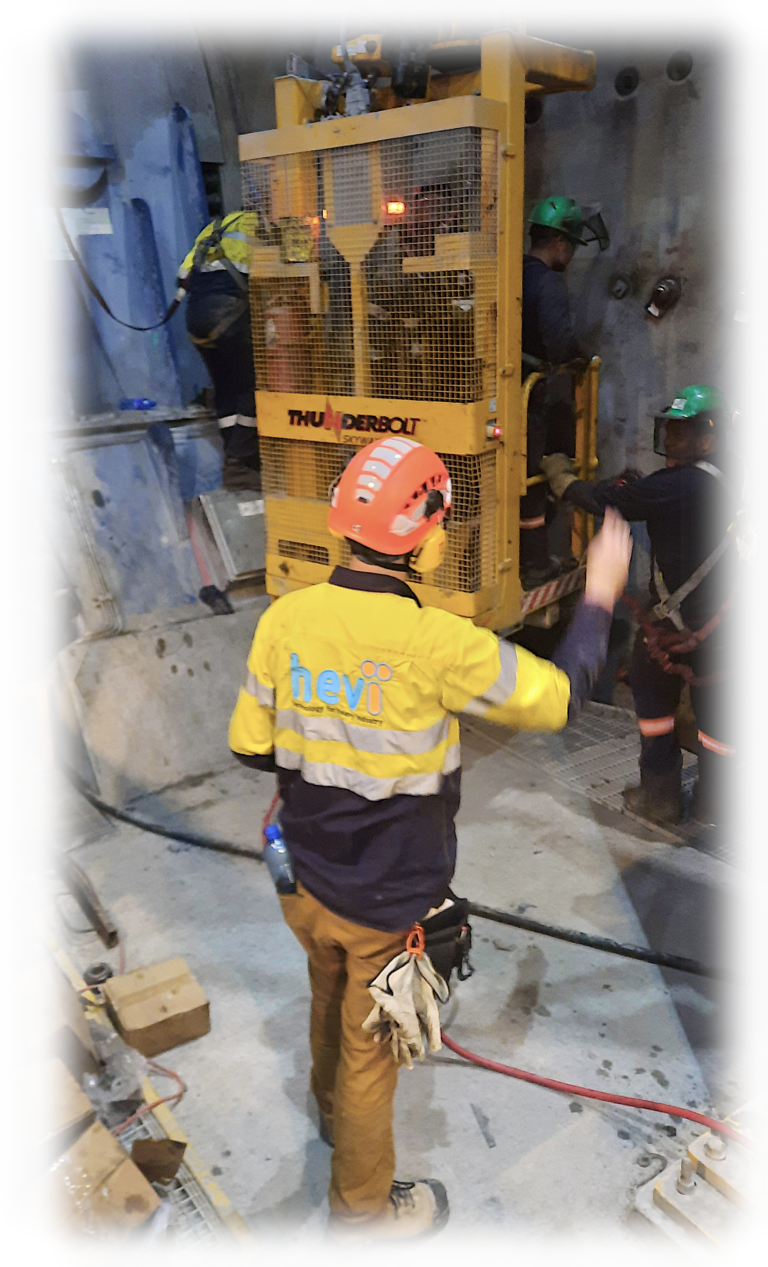
Most mechanical subcontractors have a short-term focus on maximising their profit by completing their contracted work scope as quickly as possible and at the least cost to themselves. This may conflict with the requirements of Owners, OEMs, EPCMs or their Insurance Providers who are interested in long-term plant reliability and availability.
hevii works alongside our client's mechanical contractors by assuming unbiased and independent Third Party responsibility for the QA management and technical component of critical bolting procedures. This has proven to be an effective solution to risk mitigation as it enables the contractors to maintain their general focus and limited technical resources on the overall project while hevii concentrates only on the important QA minutiae of the bolting process.
Technical Management
- Qualified hevii Project Managers ensure that the strict guidelines of our client's enterprise or per-project Critical Flange Integrity Program are followed, even when these are at odds with the interests or abilities of the incumbent mechanical contractor.
Uncompromised Bolting Process Quality Control
- The reliability of critical bolted joints is affected by many factors which can be overlooked in complex projects when a number of separate parties (internal or external) are involved. Even with a common end goal being clearly defined in such projects, each entity is usually too involved in their own area of expertise to pay full attention to the bolting-related nuances necessary for the project's success. Passionate Bolting QA Experts from hevii provide precision oversight and management of nothing but the factors related to the bolting process. These include:
- procedure review
- component preparation
- participant training
- calibration supervision
- execution support & audit
- summary reporting
Bolt Preload Verification
- Bolt stress verification support is a core hevii strength based on almost 30 years of experience in this very specialised field. To provide a cost-effective approach to critical bolted joint reliability, highly-qualified hevii Technicians control the bolting process as local mechanics "swing the wrenches" during significant construction or maintenance activities.
- Bolt Stress reports can be meaningless when based on data acquired by inexperienced operators unqualified in the use of sophisticated measurement and data acquisition systems. Acceptance of any hard copy reports at face value means that the actual condition of the joints remain questionable. Whenever EPCMs ,OEMs, Owners or other authorities require full confirmation that such reports are not compromised, the project's raw data files are submitted to hevii for detailed independent analysis and reporting.
Reducing project risk. Our passion. Our speciality.